
Smart Guide to Boutique Apartments Tucson AZ Renters Love

Large apartment complexes can look convenient on paper, but they are not always the right fit. Some renters want a quieter building, a place with character, and a landlord or management team that knows the property well. That is where boutique apartments Tucson AZ renters often look for can make sense.
This guide is for people comparing smaller, locally managed rentals in Tucson, especially near Downtown, Armory Park, West University, Midtown, 4th Avenue, and the University of Arizona. Instead of giving a generic apartment-hunting checklist, it focuses on what makes boutique rentals different, how to compare them fairly, and what to ask before signing a lease.
Key Takeaways
Boutique apartments are usually smaller, more character-driven rental communities with a more personal management style.
Tucson renters often look for boutique rentals near Downtown, Armory Park, West University, Midtown, 4th Avenue, and the University of Arizona.
Total monthly cost matters more than rent alone, especially when internet, parking, laundry, utilities, and commute costs are involved.
Locally managed apartments can offer faster, more direct communication, but renters should still ask clear questions about maintenance, lease terms, and fees.
The best small apartment building is the one that matches your daily routine, not just your preferred floor plan.
What Makes Boutique Apartments Tucson AZ Different?
Boutique apartments are not defined by one strict building size. In real rental searches, the term usually describes smaller apartment buildings Tucson renters choose because they feel more personal, distinctive, and connected to the neighborhood than a large corporate complex.
That can mean a historic boutique rental Tucson Arizona residents might find in Armory Park. It might mean a renovated studio building near Downtown. It could also be a small one-bedroom boutique apartment in Midtown with fewer neighbors, simpler parking, and on-site management that knows the building’s quirks.
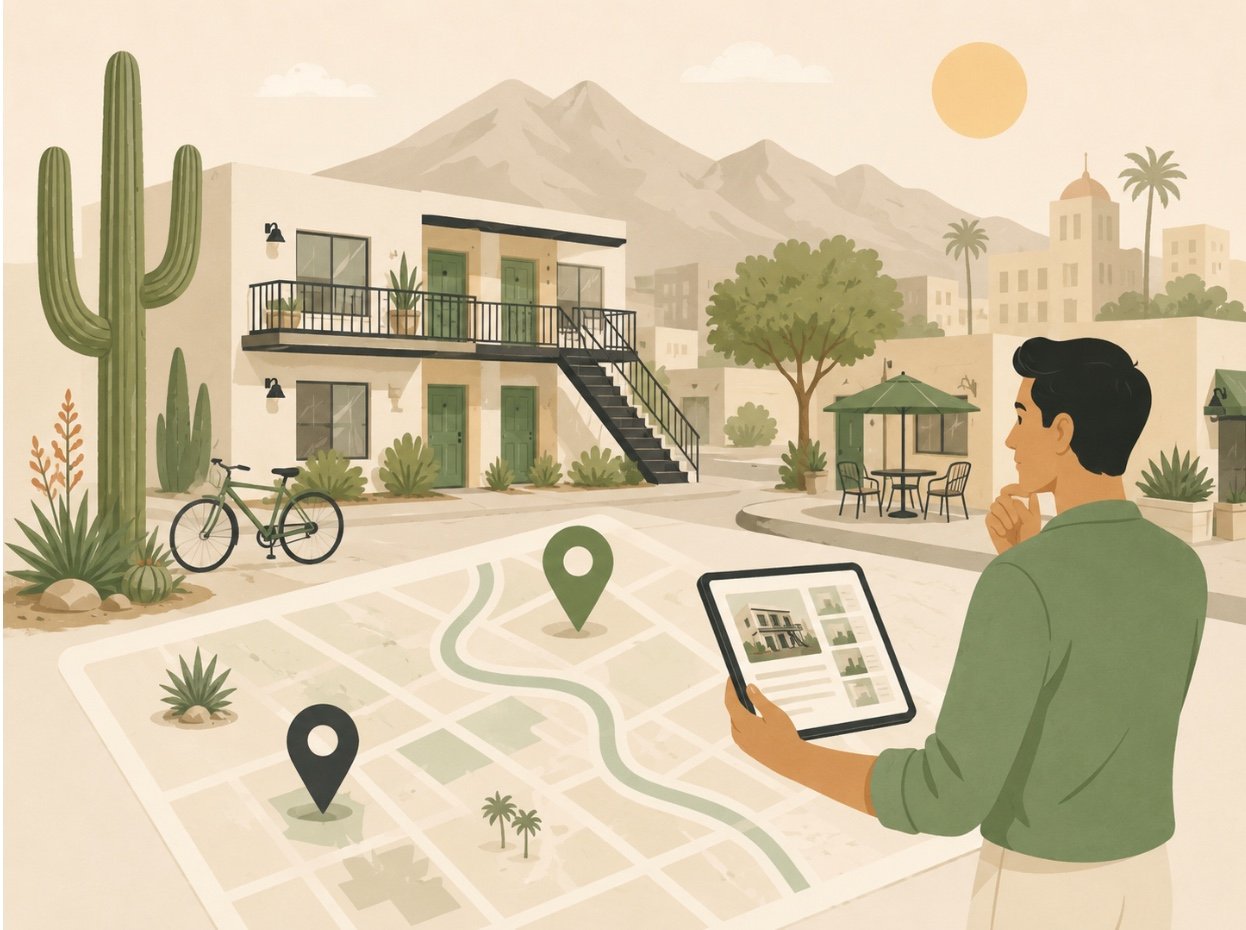
The main difference is feel. Boutique rentals often focus less on resort-style amenity lists and more on livability: clean common areas, thoughtful updates, walkable locations, responsive communication, and buildings with character. For many renters, that is more valuable than a long amenity package they may rarely use.
A helpful way to think about boutique apartments Tucson AZ renters compare is this: you are not only choosing a unit. You are choosing a building culture. A 20-unit property with good lighting, quiet neighbors, clear maintenance processes, and an owner who cares about upkeep can feel very different from a 300-unit complex where every request goes through a ticket queue.
Boutique apartments may also include features that are harder to find in larger, newer complexes, such as polished concrete floors, older architectural details, mature landscaping, courtyards, shaded outdoor areas, or walkable neighborhood access. Some are privately owned apartments Tucson renters find through local management teams rather than national property platforms.
That does not mean every small building is better. A boutique rental still needs strong basics: safe access, working appliances, clear lease terms, reliable maintenance, fair pet policies, and transparent fees. The charm only matters if the property is well run.
Where Boutique Apartment Living Fits Best in Tucson
Tucson is a good match for boutique rentals because many of its most desirable rental areas are built around older neighborhoods, university access, local restaurants, bike routes, and historic streets rather than only large apartment corridors.
The U.S. Census Bureau lists Tucson’s median gross rent at $1,145 for 2020–2024, which gives renters a useful baseline when comparing total monthly cost. Still, the real decision often depends on location, utilities, parking, and commute patterns, not rent alone. You can check the city-level housing data through theU.S. Census Bureau QuickFacts for Tucson.
Downtown and Armory Park
Boutique apartments downtown Tucson tend to appeal to renters who want walkability, proximity to restaurants, access to entertainment, and a more urban lifestyle without moving into a massive high-rise complex. Armory Park, in particular, is known for older homes, historic character, and quick access to Downtown.
For example, Bright Properties listsDowntown Tucson apartments that include Old Town Apartments and Blue Star Apartments, both positioned near the University of Arizona, dining, shopping, and public transportation. That kind of location can be especially useful for renters who want to reduce daily driving.
Old Town Apartments is a good example of how boutique rentals can mix practical upgrades with property character. The building includes studio and one-bedroom options, gated access, outdoor space, bike racks, on-site laundry, a pool, parking, and high-speed internet. Those details matter because they affect daily living, not just the listing photos.
West University, 4th Avenue, and the U of A Area
Independent rentals West University Tucson renters consider often come down to lifestyle. If you are near the University of Arizona, the Sun Link streetcar, or 4th Avenue, the value of the apartment may include how easily you can get to class, work, coffee, groceries, or nightlife without relying on a car every time.
TheSun Link streetcar connects major central Tucson districts, including the University of Arizona, 4th Avenue, Downtown, and Mercado District. For renters comparing unique apartments near U of A or boutique apartments 4th Avenue Tucson, transit access can lower the hidden cost of living.
L6 Apartments offers another helpful local example. Located at University Boulevard and 6th Avenue, L6 Apartments includes renovated studio, one-bedroom, two-bedroom, and three-bedroom units near the streetcar, U of A, 4th Avenue, and Downtown. A renter choosing that kind of location may pay attention to more than square footage because the surrounding area becomes part of the apartment’s value.
Midtown Tucson
Small apartment buildings Midtown Tucson renters compare often appeal to people who want central access without living directly in the Downtown or university core. Midtown can work well for healthcare workers, graduate students, professionals, and renters who want shorter drives across the city.
TheMidtown Tucson apartments page highlights studio, one-bedroom, and two-bedroom options in established neighborhoods with access to Downtown, the University of Arizona, shopping, and major roadways. For renters who care about convenience but want a quieter daily rhythm, Midtown can be a smart middle ground.
How to Compare Boutique Rentals Beyond Rent Price
Rent is only the starting point. With boutique apartments Tucson AZ renters often find that the best value is tied to what is included, how the property is managed, and whether the building fits their routine.
A cheaper apartment can become more expensive if parking is difficult, internet is separate, laundry is off-site, maintenance is slow, or the commute adds fuel and time. A slightly higher rent can make sense when the property includes useful extras or saves money elsewhere.
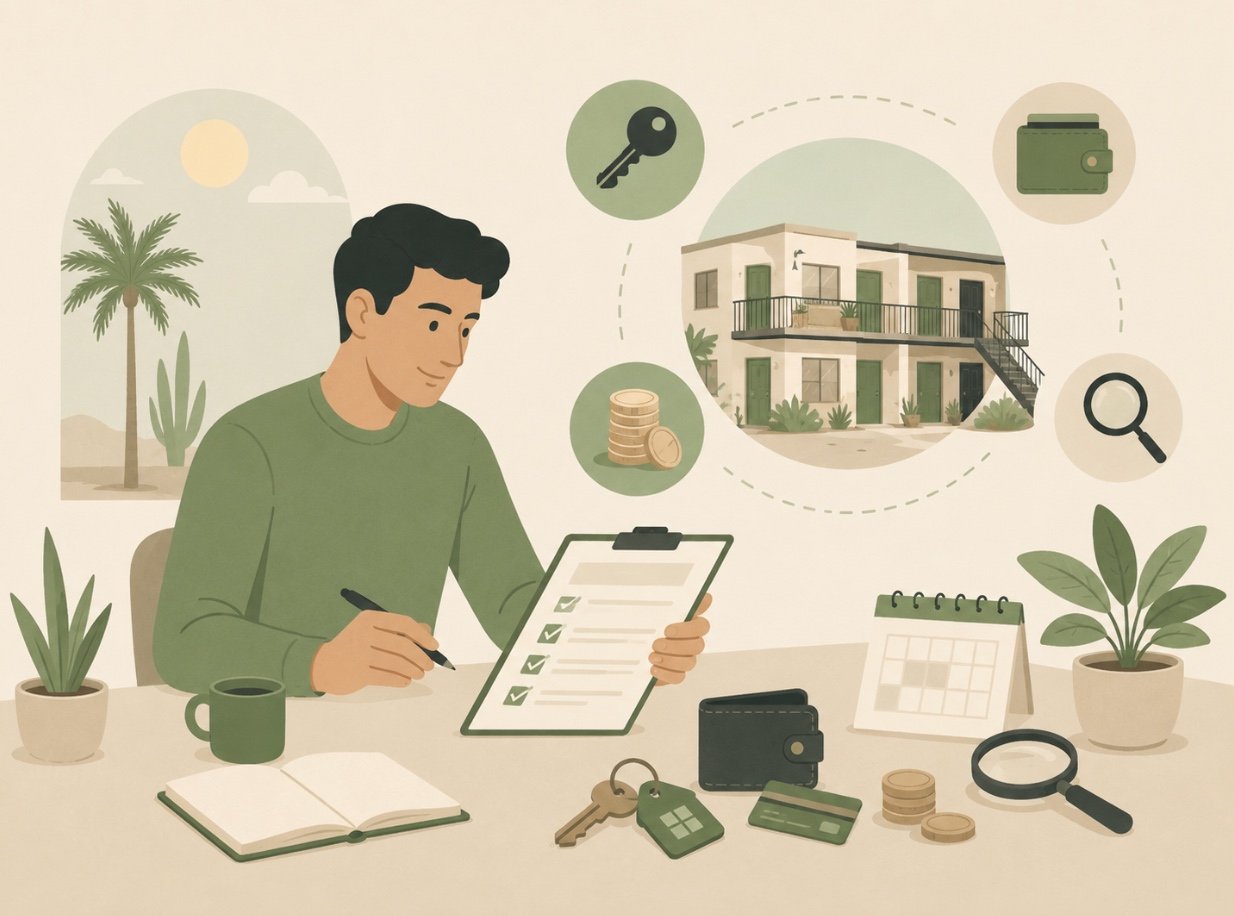
Start by asking what is included in the monthly cost. Internet, parking, laundry, and utilities can change the real price of an apartment quickly. If a property includes high-speed internet, on-site laundry, or assigned parking, that may make the rent easier to justify. If those items are separate, add them to your monthly estimate before comparing the apartment with another option.
Parking is especially important in central Tucson. Some areas offer gated or assigned parking. Others rely more on street parking or shared lots. If you come home late, work odd hours, or carry groceries and equipment often, parking should be part of your decision from the beginning.
Laundry access also affects daily life. In-unit laundry is convenient, but not always common in smaller or older buildings. On-site laundry can still work well if it is clean, accessible, and reasonably priced. Off-site laundry may be fine for some renters, but it adds time and planning every week.
Maintenance is another major factor. Smaller buildings can be easier to communicate with when the owner or local management team is responsive. But they still need a clear system. Ask how tenants submit requests, who handles urgent repairs, and how after-hours issues are managed.
One original rental-review habit that helps is to walk the property twice if possible. Visit once during the scheduled showing, then come back near the time you would normally arrive home from work or school. You will notice different things: parking availability, street noise, lighting, neighbor activity, and whether the location still feels convenient after the day gets busy.
You should also separate “nice to have” from “daily use.” A pool may be appealing, but if you work from home, reliable internet and quiet common areas might matter more. A granite kitchen looks good, but if you bike daily, secure bike racks may have a bigger effect on your routine.
What to Ask Before Renting a Smaller Apartment Building
Smaller apartment buildings can offer a more personal rental experience, but the questions you ask still matter. Boutique does not automatically mean better managed. You want clear answers before you apply.
Start with maintenance. Ask how repairs are requested, who handles urgent issues, and what typical response times look like. Responsive landlord Tucson rentals are not only about friendliness. They are about having a clear process when something breaks.
Then ask about management structure. Is the property owner-managed? Is there on-site management? Is it handled by a local office? Locally managed apartments Tucson renters consider often provide a more direct communication path, but you still need to know who to contact after move-in.
For renters comparing alternatives to corporate apartments in Tucson, these are practical questions worth asking:
Who do I contact for routine maintenance?
What qualifies as an emergency repair?
Are there quiet hours or community rules?
Which utilities are included in rent?
Is parking included, assigned, or first come, first served?
Are pets allowed, and what fees apply?
How often are common areas cleaned or maintained?
You can also ask whether there are any income requirements, affordable housing program rules, fees beyond rent and deposit, or lease-end renewal steps. Those details may not be obvious in a listing, but they can affect whether the rental is the right fit.
Pet-friendly boutique apartments Tucson AZ renters want should be checked carefully. Smaller buildings may have limited outdoor space, shared courtyards, or specific pet rules designed to keep the property comfortable for everyone. Ask before assuming.
The Federal Trade Commission also recommends that renters watch forrental listing scams, especially when a landlord asks for money before a lease is signed or refuses to show the property. Their guidance is worth reading before sending deposits or application fees.
A good landlord or management team should not rush you past basic questions. Clear communication before move-in is often a preview of the rental relationship after move-in.
Boutique vs. Corporate Apartments: Which Is Better for You?
There is no single right answer. Some renters prefer corporate apartments because they want large amenity packages, standardized processes, package lockers, fitness centers, leasing apps, and multiple floor plan choices. That can be a good fit.
Boutique apartments are different. They often work best for renters who care about neighborhood character, smaller communities, and direct management. A non-corporate apartment Tucson renter may be looking for a home that feels less anonymous and more connected to the surrounding area.
A boutique apartment is often a better fit if you value character, location, and a smaller community over a long list of luxury-style amenities. You may have fewer floor plans to choose from, but the building may feel more personal and easier to understand.
A corporate apartment may be better if you want standardized systems, a larger leasing team, a fitness center, package lockers, and many floor plan options. The tradeoff is that the property may feel less personal because of its size.
Privately owned apartments can also work well for renters who want direct local communication. The quality depends heavily on the owner or management team, so it is important to judge the property by its systems, not just its size.
Historic rentals can be appealing if you like charm, older architecture, and neighborhood identity. But older buildings can have quirks, so ask what has been updated and how maintenance is handled.
Newer large complexes may offer modern finishes and full amenity packages. They may also come with higher fees, larger communities, and less neighborhood character. For some renters, that tradeoff is worth it. For others, it is not.
If you are asking “are there privately owned apartments in Tucson?” the answer is yes, but they can be harder to compare because each property is different. Some are professionally managed. Some are owner-managed rentals Tucson AZ renters find through smaller local companies. Others may be individual landlord listings.
The safest approach is to compare properties on process, not assumptions. A well-maintained apartment with clear communication is stronger than a charming building with vague lease terms. At the same time, a smaller building with thoughtful management can feel much better than a large complex where you rarely speak to the same person twice.
The University of Arizona also notes that off-campus students should carefully review leases, costs, transportation, and housing expectations before renting. Theiroff-campus housing guidance is useful for students and parents comparing rentals near campus.
A Better Way to Choose Your Next Tucson Apartment
The best boutique rental is not always the newest, cheapest, or most photographed. It is the apartment that fits the way you actually live.
Before applying, write down your real weekly routine. Where do you go most often? How late do you come home? Do you need quiet for remote work? Do you cook often? Do you have a pet? Do you rely on parking, biking, walking, or transit? Those answers will tell you more than a generic apartment wish list.
Boutique apartments Tucson AZ renters choose often stand out because they combine location, care, and character in a way that feels more personal than a large complex. When the building is well maintained, the terms are clear, and the location supports your routine, a smaller rental can feel like a better long-term fit.
FAQs
What are boutique apartments in Tucson?
Boutique apartments in Tucson are usually smaller rental communities with more character, local management, and a less corporate feel. They may include renovated historic buildings, small studio communities, locally managed properties, or apartments in walkable neighborhoods like Downtown, Armory Park, Midtown, West University, and 4th Avenue.
Are boutique apartments more expensive than regular apartments?
Not always. Some boutique apartments cost more because of location, renovations, or included amenities, while others may be competitive with larger complexes. The better comparison is total monthly cost, including utilities, internet, parking, laundry, commute costs, and pet fees.
Are there privately owned apartments in Tucson?
Yes, Tucson has privately owned apartments and locally managed rental properties. These may include small apartment buildings, owner-managed rentals, and boutique rental communities. Since each property is different, renters should ask about maintenance, lease terms, fees, and who handles tenant communication.
Why rent from a local landlord in Tucson?
A local landlord or local management team may know the building, neighborhood, and tenant needs more directly. This can help with communication and maintenance when the process is well organized. Still, renters should look for clear lease terms, professional responses, and consistent property upkeep.
What neighborhoods are good for boutique apartments in Tucson?
Downtown, Armory Park, West University, 4th Avenue, Midtown, and areas near the University of Arizona are common places to look. Each area has a different feel. Downtown and 4th Avenue offer more walkability, while Midtown can offer central convenience with a quieter daily pace.
What should I check before applying for a boutique apartment?
Check the total monthly cost, included utilities, parking rules, laundry access, pet policy, maintenance process, lease length, and building rules. It is also smart to visit the area at different times of day so you can judge noise, lighting, parking, and commute patterns.
Are boutique apartments good for students near the University of Arizona?
They can be, especially if the apartment is near campus, the streetcar, bike routes, or 4th Avenue. Students should compare commute time, internet, laundry, parking, quiet hours, and lease terms before applying. A smaller building may feel calmer than a large student-focused complex, but the fit depends on the property.
