
How Much Does It Cost to Rent an Apartment in Tucson? A 2026 Breakdown
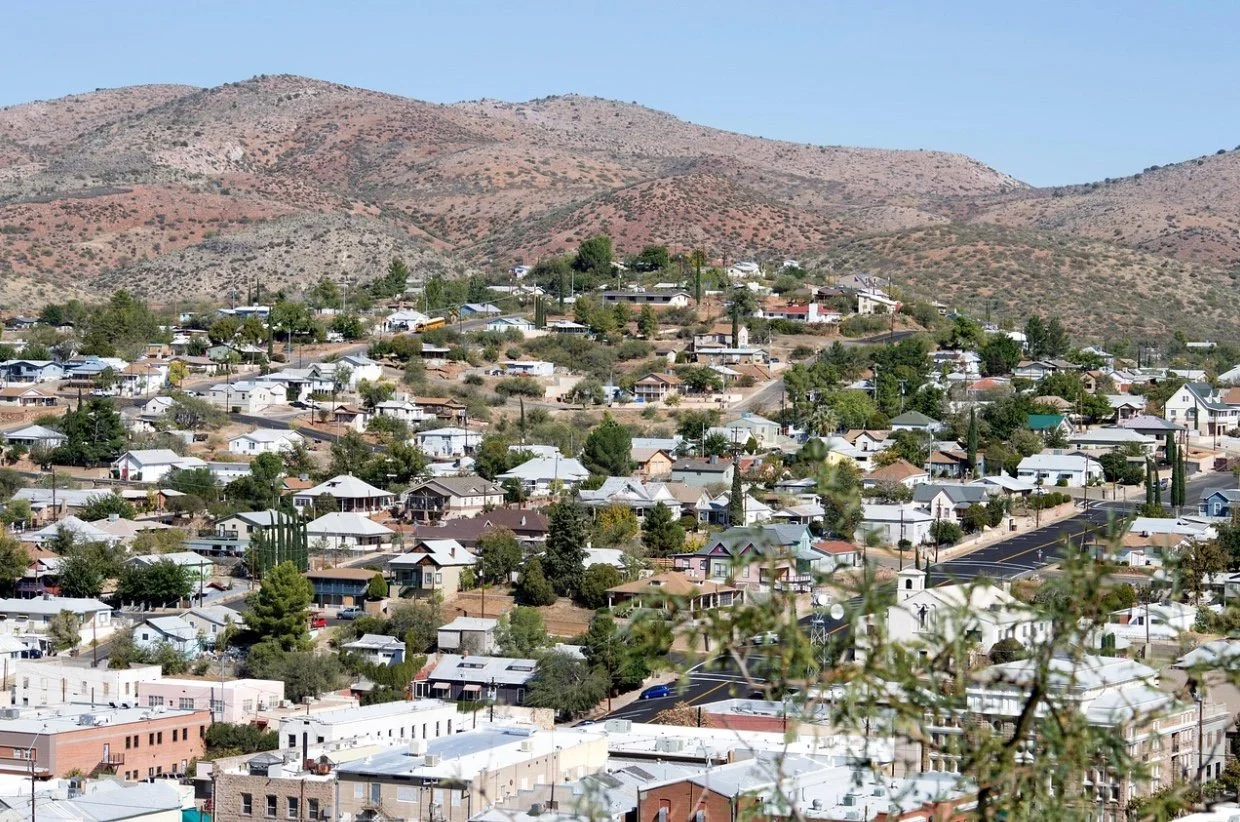
The average rent in Tucson can look affordable at first glance, but the real monthly cost depends on unit size, neighborhood, lease timing, utilities, parking, pets, and how close you want to be to the University of Arizona or Downtown. This 2026 breakdown is written for renters comparing actual Tucson apartments, not just scanning a national rent chart.
Key Takeaways
Tucson remains more affordable than many large Southwest cities, but rent varies sharply by neighborhood, unit type, and proximity to campus.
The average rent in Tucson is useful as a baseline, but your true cost should include utilities, parking, pet rent, deposits, application fees, and internet.
Studio apartments can save money, but the best value is not always the smallest unit.
Campus-area rentals often lease earlier and may cost more because of location, walkability, and academic-year demand.
A practical rent budget should compare total monthly cost, not just the advertised rent.
Average Rent in Tucson: What 2026 Renters Should Expect
The average rent in Tucson depends on which data source you use and what type of rental it measures. The U.S. Census Bureau reports Tucson’s 2020–2024 median gross rent at $1,145. “Gross rent” includes contract rent plus estimated utilities, so it is helpful for understanding what renter households have been paying in total, not just what new listings advertise today. You can review the city’s housing baseline through theU.S. Census Bureau QuickFacts for Tucson.
Current apartment listing data can look different because it reflects available rentals, not every renter already living in the city. Apartments.com reported Tucson’s average rent at about $991 per month in May 2026, with one-bedroom apartments around that range and two-bedroom apartments averaging about $1,286. That makes Tucson rentals relatively approachable compared with many larger metro markets, but the advertised rent can rise quickly in high-demand pockets.
A practical 2026 renter should think in ranges, not one fixed number. Studio apartments in Tucson often sit around the lower end of the rental market, especially when they are smaller, older, or farther from the most walkable areas. A realistic starting range is often around $800 to $1,250 or more, depending on whether the unit is downtown, newly renovated, furnished, or includes utilities or parking.
One-bedroom apartments usually move into a higher range because they provide more privacy and separation of space. Many renters should expect to compare options around $950 to $1,500 or more, depending on the neighborhood, square footage, building condition, and laundry access.
Two-bedroom apartment rent in Tucson can vary even more because these units often serve roommate households, couples, small families, or renters who need a home office. A practical search range is often around $1,200 to $1,900 or more, especially when the apartment has better parking, pet-friendly terms, a central location, or updated amenities.
Campus-area rentals are harder to summarize with one number because timing and location matter so much. A unit close to the University of Arizona may cost more because it saves commuting time and fits the academic calendar. Midtown rentals also vary by building, but renters often look there for central access, practical parking, and a less campus-heavy daily routine.
These ranges are not a promise of availability. They are a screening tool. If a listing is far below the surrounding market, look carefully at location, fees, lease terms, cooling, parking, and reviews. If a listing is above the range, the premium should be easy to explain through location, condition, amenities, or included costs.
What Changes the Cost of Tucson Rentals
The biggest rent driver in Tucson is location. A studio near Downtown or the University of Arizona may cost more than a larger apartment farther from the city center because it saves time, parking stress, and transportation costs. That is especially true for renters who want to walk, bike, or use the Sun Link streetcar.
Campus proximity is its own market. If you are searching for Tucson apartments near campus, you are competing with students, graduate students, university staff, and parents helping students secure housing before the semester starts. The University of Arizona maintains an official off-campus housing search resource that shows how structured and competitive that rental category can be.
Neighborhood also affects the day-to-day value of the rent. Downtown Tucson rentals may be ideal if you want restaurants, nightlife, events, and walkability. Midtown Tucson can make more sense if you want central access without being directly in the busiest campus or downtown blocks. Renters who care more about quiet streets, easier parking, or larger floor plans may find better value outside the most walkable areas.
Unit size is another major factor, but it is not always linear. A studio apartment cost in Tucson may be lower than a one-bedroom, but not if the studio is in a newer downtown building or close to campus. A two-bedroom apartment rent in Tucson may look high until two roommates split it. In some cases, a two-bedroom shared by two renters can cost less per person than two separate studios.
Building condition matters too. Older apartments in Tucson may offer more character, central locations, or lower base rent. Newer or renovated units may charge more but include better appliances, improved cooling, updated flooring, in-unit laundry, or more efficient layouts. The right choice depends on whether the higher rent replaces costs you would otherwise pay separately.
How Much to Budget Beyond Monthly Rent
The average rent in Tucson does not show the full amount you need before move-in. A renter who budgets only for monthly rent can be caught off guard by deposits, first month’s rent, application fees, utility setup, renters insurance, and pet costs.
Before applying, ask for the full move-in amount in writing. A useful example: if rent is $1,100, the first month’s rent plus a security deposit, application fee, pet fee, and utility setup could push your upfront cost well above $2,000. That does not mean the apartment is overpriced. It means the cash needed to move is different from the monthly rent.
Common Tucson move-in costs include:
Application fee for each adult applicant.
Security deposit, which may vary by approval, lease terms, and property policy.
First month’s rent or prorated rent if you move in mid-month.
Pet deposit, pet fee, or monthly pet rent if applicable.
Utility setup costs for electricity, water, gas, trash, or internet.
Renters insurance if the lease requires it.
Parking, gate access, laundry card, or amenity fees where applicable.
Utilities deserve special attention in Tucson because cooling can affect summer costs. Tucson Electric Power notes that residential bills vary by usage, pricing plan, and energy habits. TEP’s 2026 rate information also explains how higher usage can increase the monthly bill, especially for households using more electricity during hot periods. Renters can review rate context directly throughTucson Electric Power’s 2026 rates information.
For an apartment search, the better question is not only “how much is rent in Tucson AZ?” It is “how much will this apartment cost me in a normal summer month?” Ask whether utilities are included, what type of cooling the unit uses, whether windows have coverings, and whether the apartment gets heavy afternoon sun.
Tucson Rent by Renter Type
Different renters experience Tucson rent prices differently. A student, a remote worker, a couple with pets, and a roommate group may all look at the same apartment and reach different conclusions about value.
Students Renting Near the University of Arizona
Students often pay for location as much as the apartment itself. Walking distance to campus can reduce transportation costs and make daily life easier, but it may also mean higher demand, earlier lease deadlines, and tighter parking. If you are looking for the average rent near University of Arizona, compare lease start dates and total included costs carefully.
For campus-focused renters,West University Tucson apartments are worth reviewing early because availability can move quickly before the academic year. Ask whether the lease is individual or joint, whether subleasing is allowed, and what happens if your roommate situation changes.
Renters Looking in Midtown Tucson
Midtown is often a practical middle ground. It gives you central access to campus, Downtown, restaurants, shopping, and major roads without necessarily putting you in the highest-foot-traffic blocks. For many renters, Midtown Tucson rent prices feel easier to justify because the location works for several routines at once.
If you want central Tucson access without committing to a campus-heavy area, compareMidtown Tucson apartments against downtown and university-area listings. The right Midtown rental can reduce commute friction while still offering more breathing room than denser areas.
Renters Prioritizing the Lowest Monthly Cost
If your main goal is affordability, widen the search beyond the most walkable areas. The cheapest neighborhoods to rent in Tucson are not always the same month to month, but lower-cost options are more likely when you are flexible on commute, building age, amenities, and exact location.
That does not mean choosing the cheapest listing automatically saves money. A low-rent apartment with poor cooling, long commute costs, paid laundry, or inconvenient parking may be more expensive in real life than a slightly higher-rent unit that fits your routine better.
Pet Owners
Pet-friendly apartments in Tucson can vary widely. Some properties allow cats but not dogs. Others accept dogs with breed, weight, or number limits. Pet deposits and monthly pet rent can change your monthly budget, so confirm the full policy before applying.
Pet owners should also think beyond fees. Look at outdoor access, flooring type, nearby walking areas, noise, and whether the unit layout works for an animal during hot weather. A pet-friendly listing is only useful if the apartment is comfortable and practical for both you and your pet.
How to Compare Tucson Apartments Without Overpaying
A good rent comparison starts with the total monthly cost. If one apartment rents for $1,050 but charges separately for parking, laundry, pet rent, and utilities, it may not be cheaper than a $1,175 apartment with more included. This is where many renters make rushed decisions.
Instead of relying on the advertised rent alone, write each apartment’s costs in one place before you apply. Start with base rent. Add estimated utilities, recurring monthly fees, parking, pet rent, and internet. Then add the one-time move-in costs separately, including the deposit, application fee, first month’s rent, and any required setup fees. This makes it easier to compare the apartment you can afford monthly with the amount you need to move in.
When reviewingavailable Tucson rental properties, do not filter only by price. Filter by the things that would actually make you move again in six months: difficult parking, poor commute, pet restrictions, no laundry access, or a lease term that does not match your plans.
A smart renter also tours with a Tucson-specific checklist. During the tour, check air conditioning, window coverings, water pressure, appliance condition, locks, exterior lighting, parking, laundry access, package delivery, and cell signal. In summer, ask how maintenance handles cooling issues and what counts as an emergency repair.
The best apartment is not always the lowest rent. It is the rental that keeps your total cost predictable and your daily routine manageable.
Conclusion
The average rent in Tucson is only the starting point. To understand what you will really pay in 2026, compare rent by unit size, neighborhood, lease timing, utilities, parking, pet costs, and move-in fees. The clearest budget is the one that reflects your actual month, not just the number in the listing headline.
FAQs
What is the average rent in Tucson in 2026?
The average rent in Tucson depends on the data source and apartment type. Census data shows a 2020–2024 median gross rent of $1,145, while current listing-based sources may show different averages depending on active inventory, unit size, and neighborhood.
How much is rent in Tucson AZ for a one-bedroom apartment?
The average rent for a one-bedroom in Tucson commonly falls around the low $1,000s, but prices vary by location, condition, and amenities. A one-bedroom near campus or downtown may cost more than one farther from central Tucson.
Are studio apartments in Tucson cheaper than one-bedrooms?
Studio apartments Tucson renters find are often cheaper than one-bedrooms, but location can change that. A studio downtown or near the University of Arizona may cost more than a one-bedroom in a quieter or less central neighborhood.
How much should I budget for move-in costs and security deposit in Tucson?
A safe starting estimate is to prepare for first month’s rent, a security deposit, application fees, and any pet, parking, or utility setup costs. Always ask for the full move-in total before applying so you are not surprised after approval.
Are Tucson apartments near campus more expensive?
Tucson apartments near campus can be more expensive because of walkability, student demand, and lease timing around the academic calendar. Start early if you need a specific move-in date before the fall semester.
Is Tucson affordable to rent compared with other Arizona cities?
Tucson is often more affordable than larger Arizona markets, especially parts of the Phoenix metro area. Still, affordability depends on income, transportation costs, utilities, and whether you need to live near campus, Downtown, or a specific workplace.
What utilities should I expect to pay in a Tucson apartment?
Renters may pay for electricity, water, gas, trash, internet, and sometimes sewer, depending on the property. Electricity is especially important to budget for because summer cooling can raise monthly costs.
